
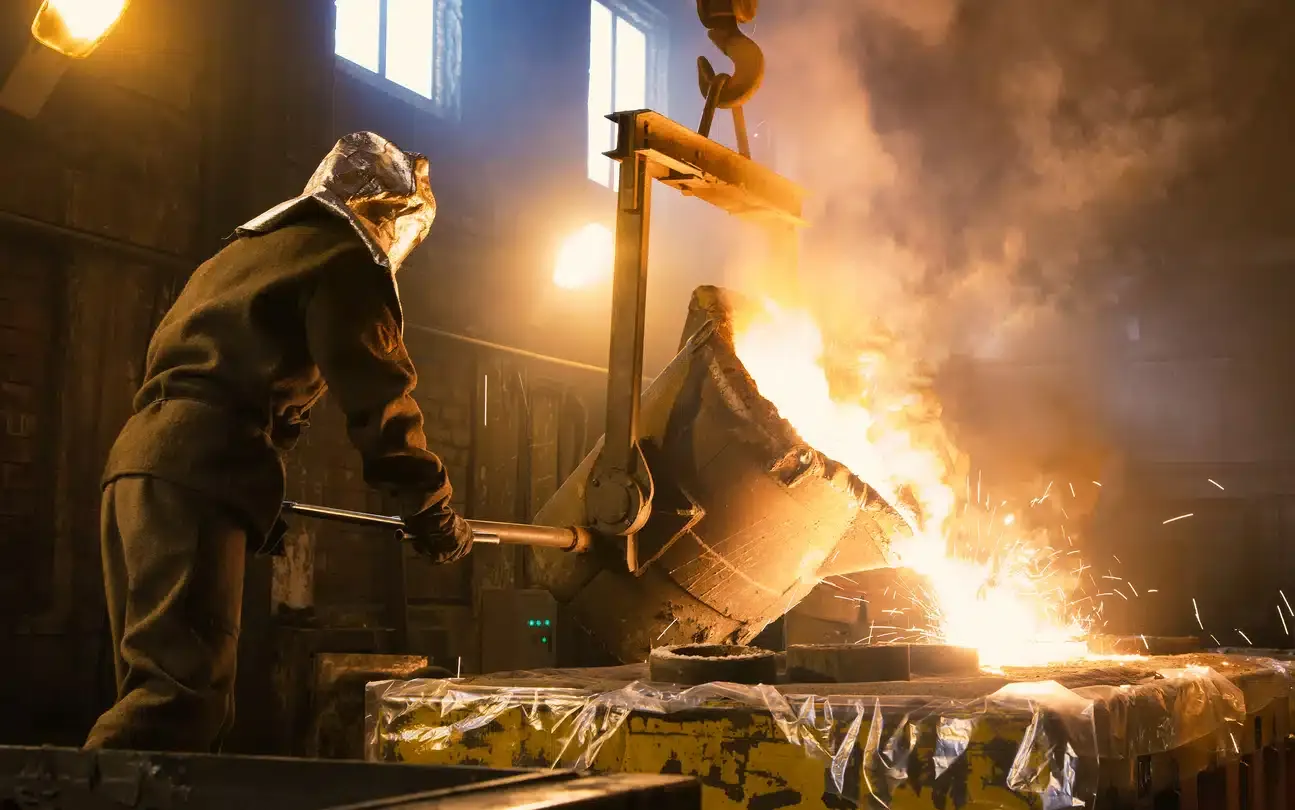
Non-Ferrous Casting is a technique that involves casting metals or alloys that do not contain iron. Commonly used metals in this method include aluminum, copper, zinc, and magnesium. Non-ferrous casting is favored across various industries due to the lightweight, corrosion resistance, and high machinability of these metals.
This casting method enables the production of complex geometric structures and provides specific physical properties, such as excellent electrical conductivity. Non-ferrous metals are widely utilized in industries such as automotive, aerospace, electronics, and mechanical engineering. Additionally, their ease of recycling is a significant advantage for promoting environmental sustainability.
Non-ferrous casting is extensively used today as it offers flexibility and efficiency in industrial applications.
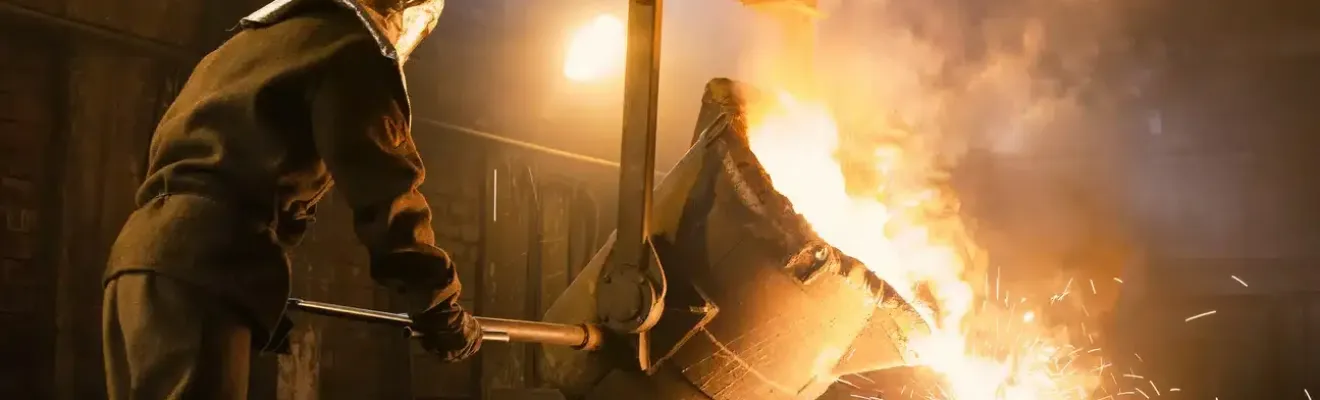
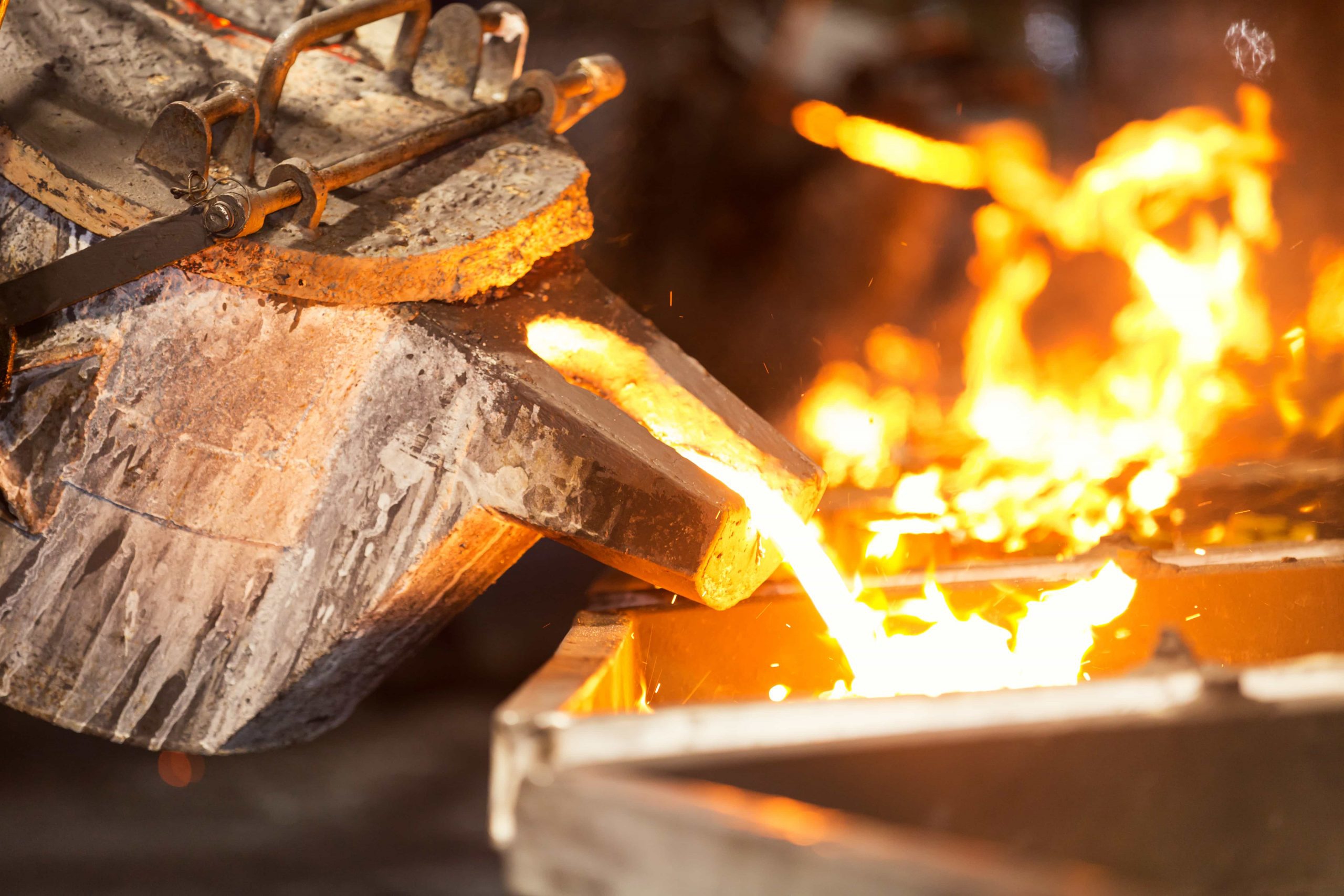
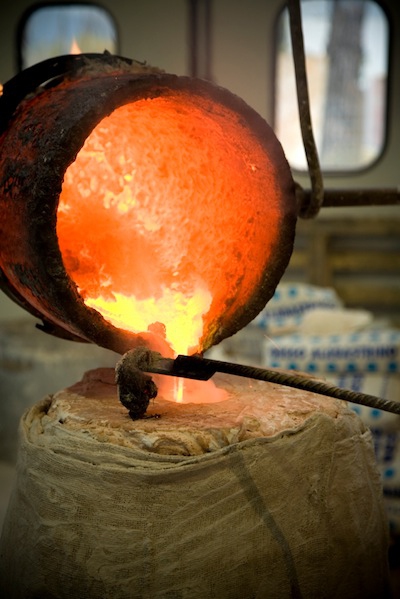
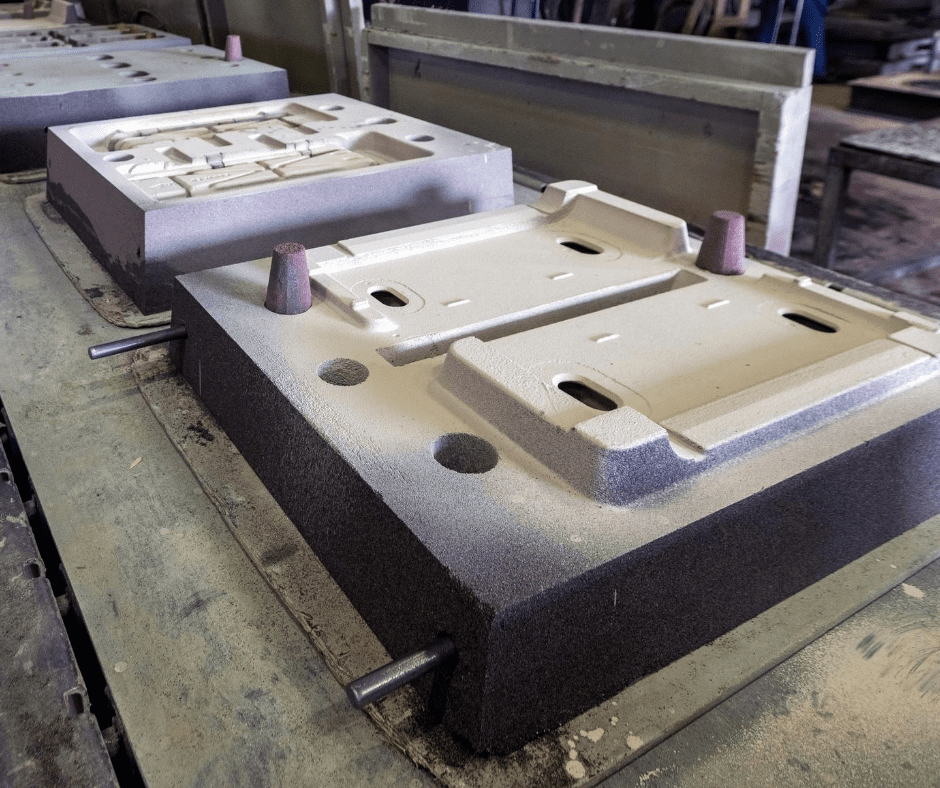
 Model Preparation: The first step is to create a model of the part to be cast. This model is typically made from wood, metal, or using a 3D printer.Mold Making: The model is coated with materials like sand, metal, or ceramic to create an appropriate mold. The mold is formed by compacting these materials around the model.Metal Preparation: The non-ferrous metal or alloy to be used is melted at high temperatures. This is usually done using furnaces or induction heaters.Casting Process: The molten metal is poured into the prepared mold. Care is taken during the casting process to ensure the metal flows evenly into the mold.Cooling and Solidification: The metal cools and solidifies within the mold, taking the desired shape.Mold Removal: Once the metal has solidified, the mold is removed. If a sand mold was used, it is broken apart to release the part.Cleaning: The cast part is cleaned to remove any residual sand or debris from the surface. This step is necessary for the part's subsequent use.Final Processing: If needed, surface treatments, assembly, or additional machining steps are performed.Quality Control: In the final stage, the cast part undergoes measurement and quality control processes to ensure the part meets the required specifications and tolerances.
Non-ferrous metals are typically lightweight, which improves fuel efficiency in applications such as automotive and aerospace industries.
Non-ferrous metals like aluminum and copper are resistant to corrosion, making them suitable for outdoor use.
Non-ferrous metals allow for easy machining of complex shapes and details, offering flexibility in engineering designs.
Metals like copper have excellent electrical conductivity, making them ideal for electrical applications.
Used non-ferrous metals can be recycled and reused to produce new products, contributing to environmental sustainability.
Certain non-ferrous casting methods allow for large-scale production at low costs.
Non-ferrous casting is widely used in industries such as automotive, aerospace, electronics, and construction.
Many non-ferrous metals offer high strength despite their lightweight nature, enabling the creation of durable structures.
Vizyon Investment Casting was founded in 2021 by its founding partners with over 20 years of experience in the sector. Our company, which sets quality production and customer satisfaction as its primary goal, offers high precision casting products for various sectors with its expert staff and modern production facilities.
© Copyright 2025 - Vizyon Investment Casting