
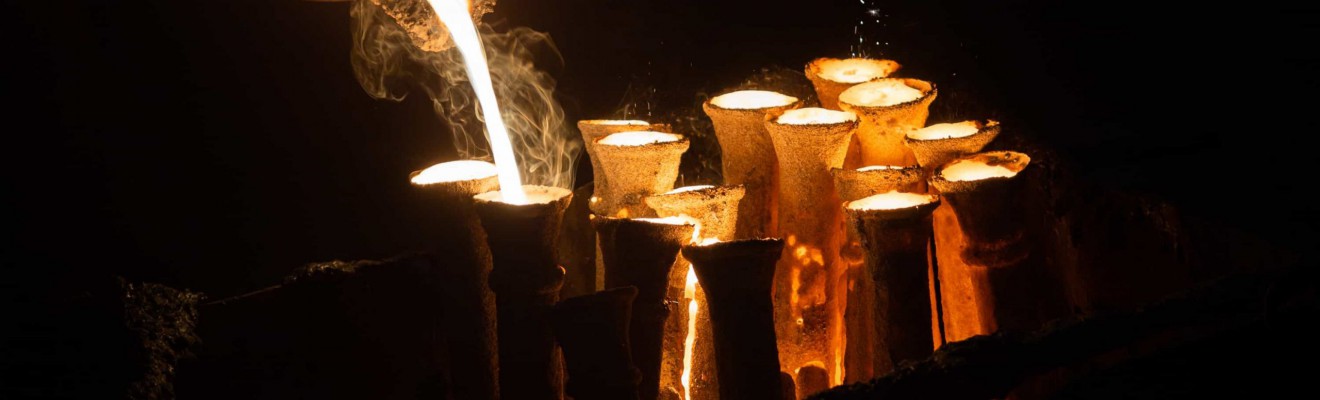
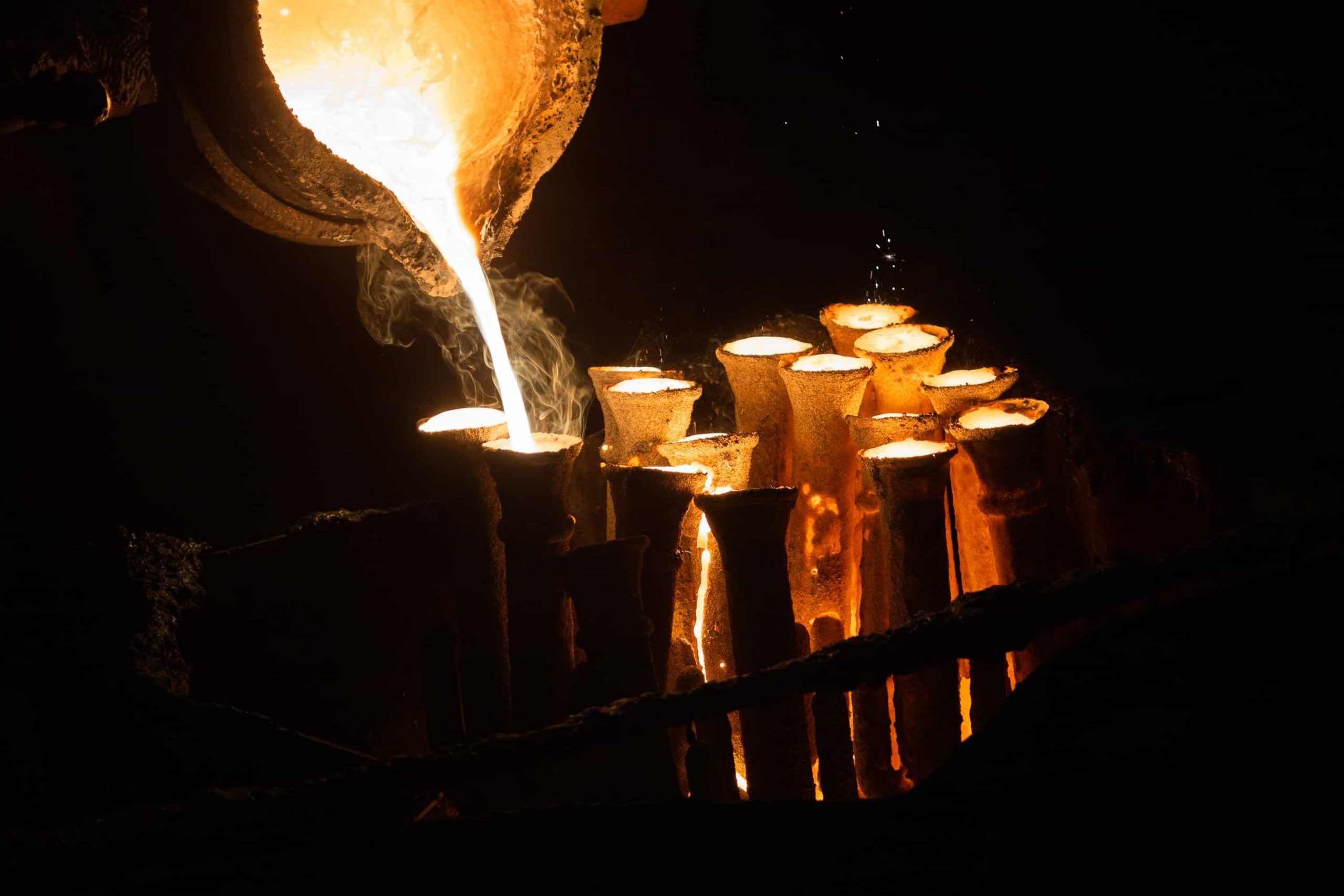
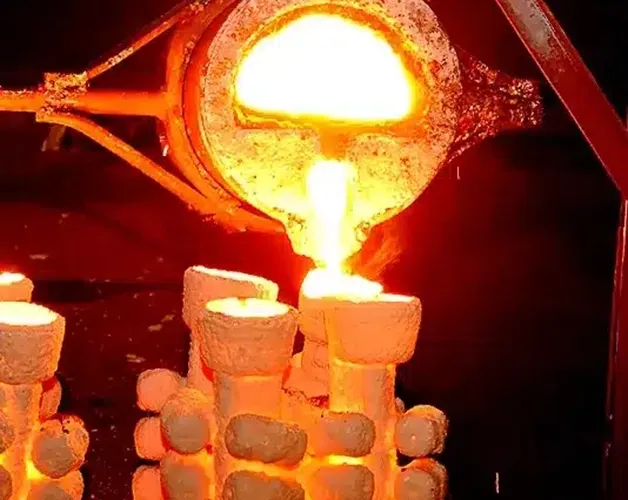
Investment casting is a method used to produce metal parts with high precision. In this process, a wax model of the desired part is first created. The model is then coated with a thin ceramic layer to form a mold. The wax is melted and removed by heating, leaving behind only the ceramic mold. Next, molten metal is poured into this mold, where it cools and solidifies.
Investment casting is an effective method for producing complex and detailed parts. Its advantages include high precision, the ability to work with various materials, and reduced material waste. It is widely used in industries such as defense, automotive, aerospace, medical devices, and jewelry.
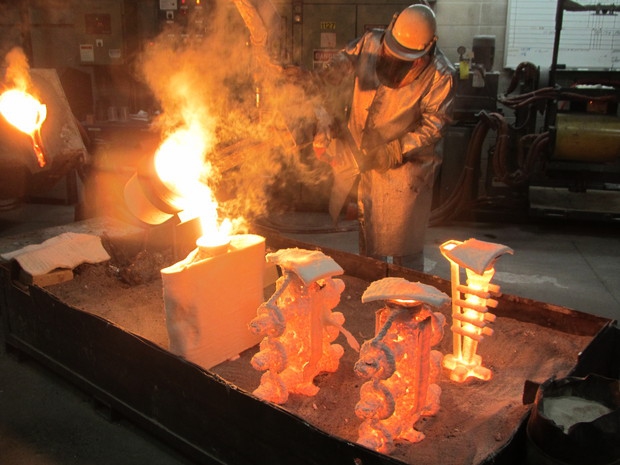
 Model Creation: First, a wax model of the part to be cast is produced. This model is an exact replica of the desired product.Mold Preparation: The wax model is coated with a thin ceramic layer. This coating is applied by dipping the wax model into a ceramic slurry and then hardening it.Wax Removal: The hardened mold is heated, causing the wax inside to melt and flow out. This process leaves the interior of the mold hollow.Metal Casting: The hollow mold is filled with molten metal. Pouring the metal while the mold is still hot ensures better filling.Cooling and Solidification: Once poured, the metal cools and solidifies within the mold, taking on the desired shape.Mold Removal: After the metal has solidified, the ceramic mold is broken away to reveal the cast part.Final Processing: The resulting part undergoes surface finishing, dimensional checks, and quality control.
Investment casting offers the ability to produce very fine details and complex geometries, allowing parts to be manufactured with minimal tolerances.
This method minimizes waste by using less material. The molding process significantly reduces scrap generation.
Investment casting provides smooth and even surfaces, reducing the need for additional machining.
It allows the use of various metal alloys, such as aluminum, copper, and steel, broadening its range of applications.
This technique is ideal for creating intricate structures and custom designs, offering engineering and design flexibility.
Investment casting typically produces high-strength parts, meeting demanding application requirements.
The casting process combines multiple production stages, saving time and shortening production cycles.
Used casting materials can be reprocessed and reused, contributing to environmental sustainability.
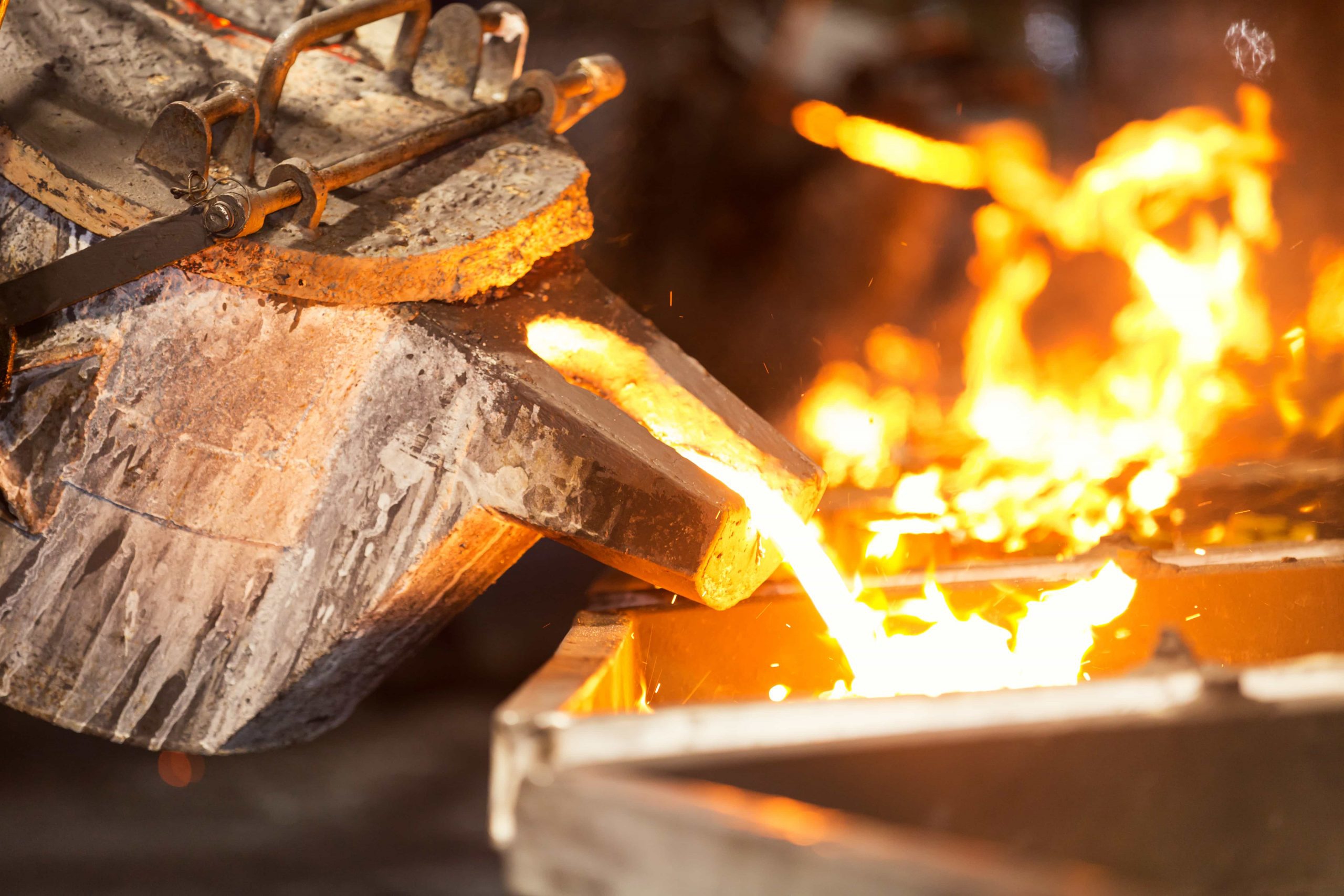


Vizyon Investment Casting was founded in 2021 by its founding partners with over 20 years of experience in the sector. Our company, which sets quality production and customer satisfaction as its primary goal, offers high precision casting products for various sectors with its expert staff and modern production facilities.
© Copyright 2025 - Vizyon Investment Casting