


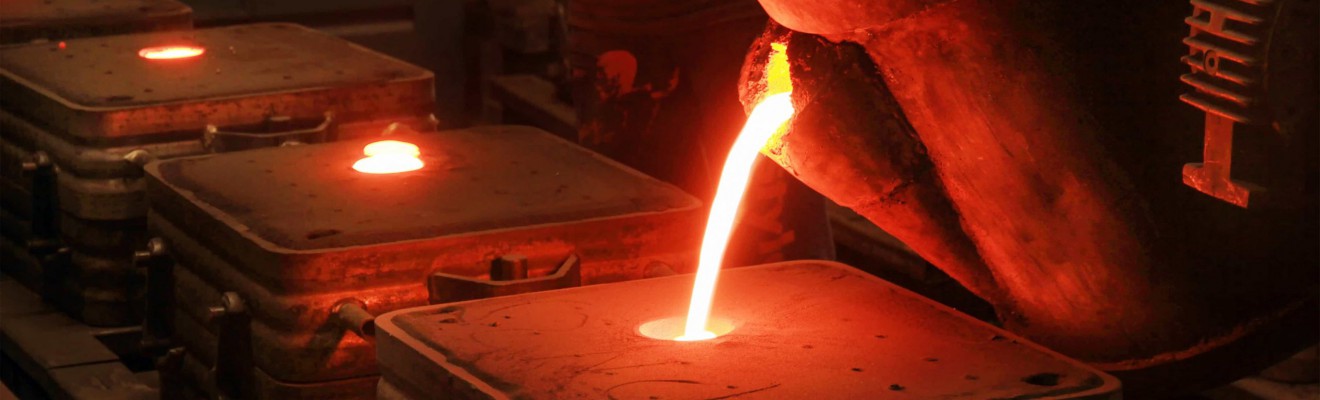
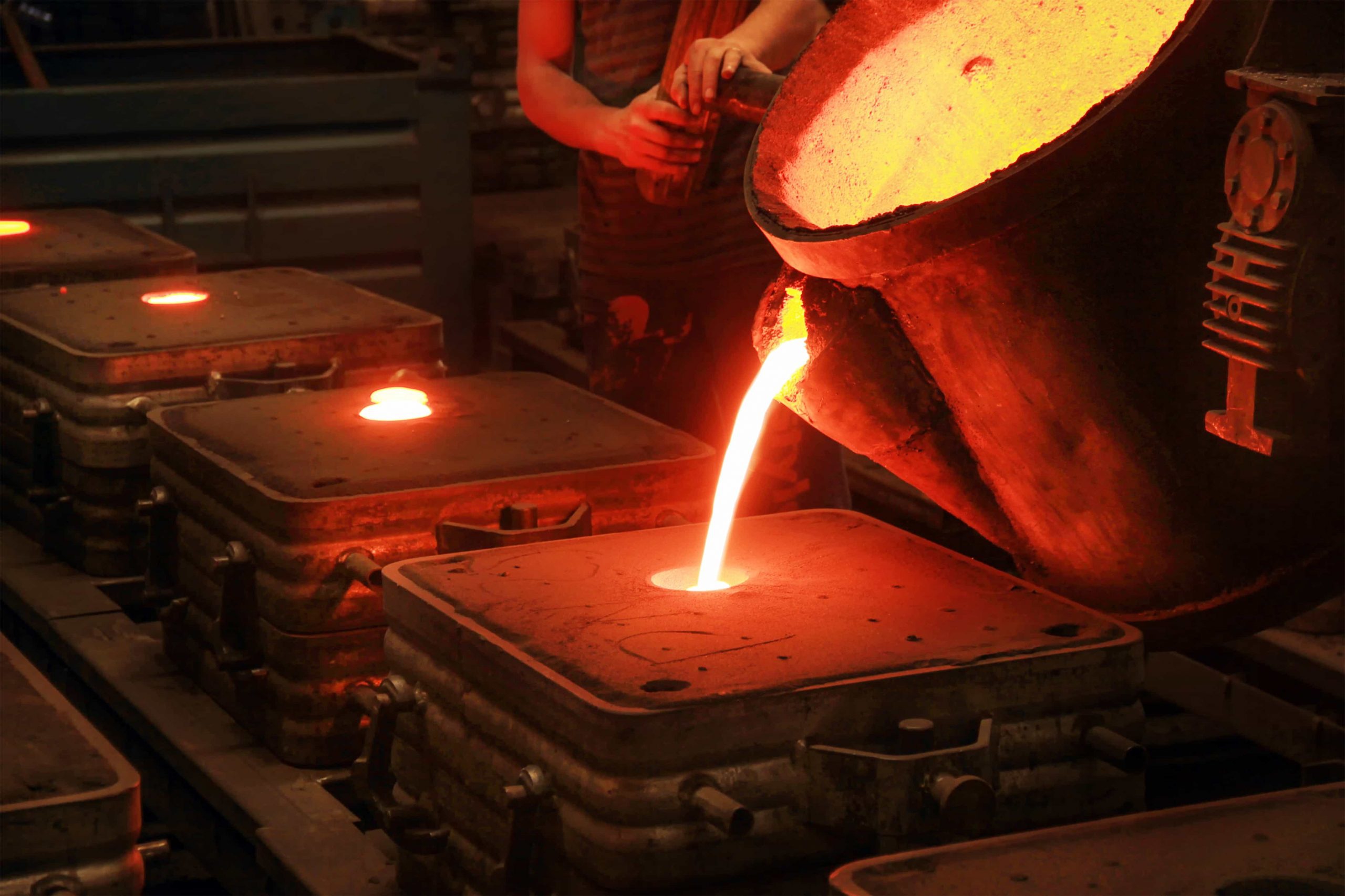
Sand Casting is a widely used casting method for shaping metal parts. In this process, silica sand is commonly used to create molds. The sand is mixed with binding agents to ensure the molds are strong and durable.
Sand casting is an effective technique for producing large and complex parts. Its ability to withstand high temperatures and be easily shaped are among its advantages. Additionally, the quick production of sand molds, low costs, and suitability for large-scale manufacturing make it highly practical.
Sand casting is widely employed in industries such as automotive, aerospace, and mechanical engineering. It is particularly ideal for applications requiring the production of large parts and low manufacturing costs.
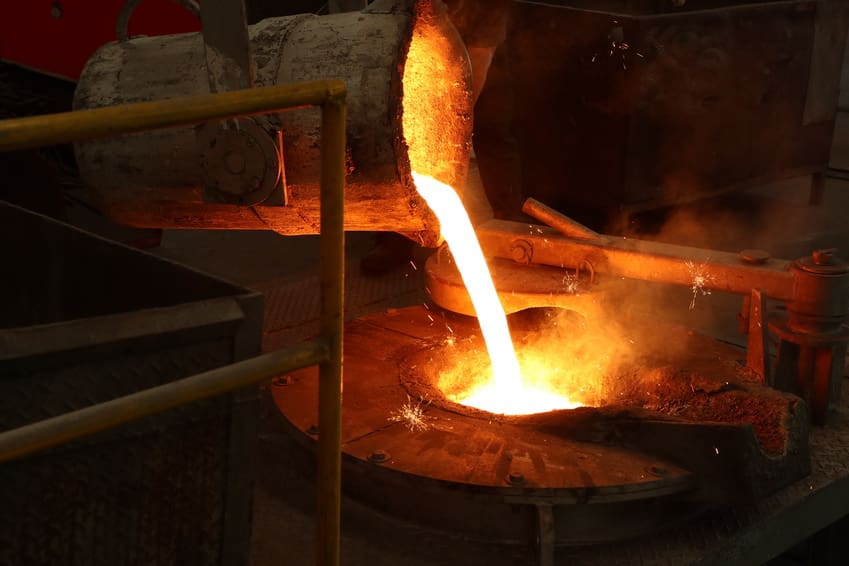
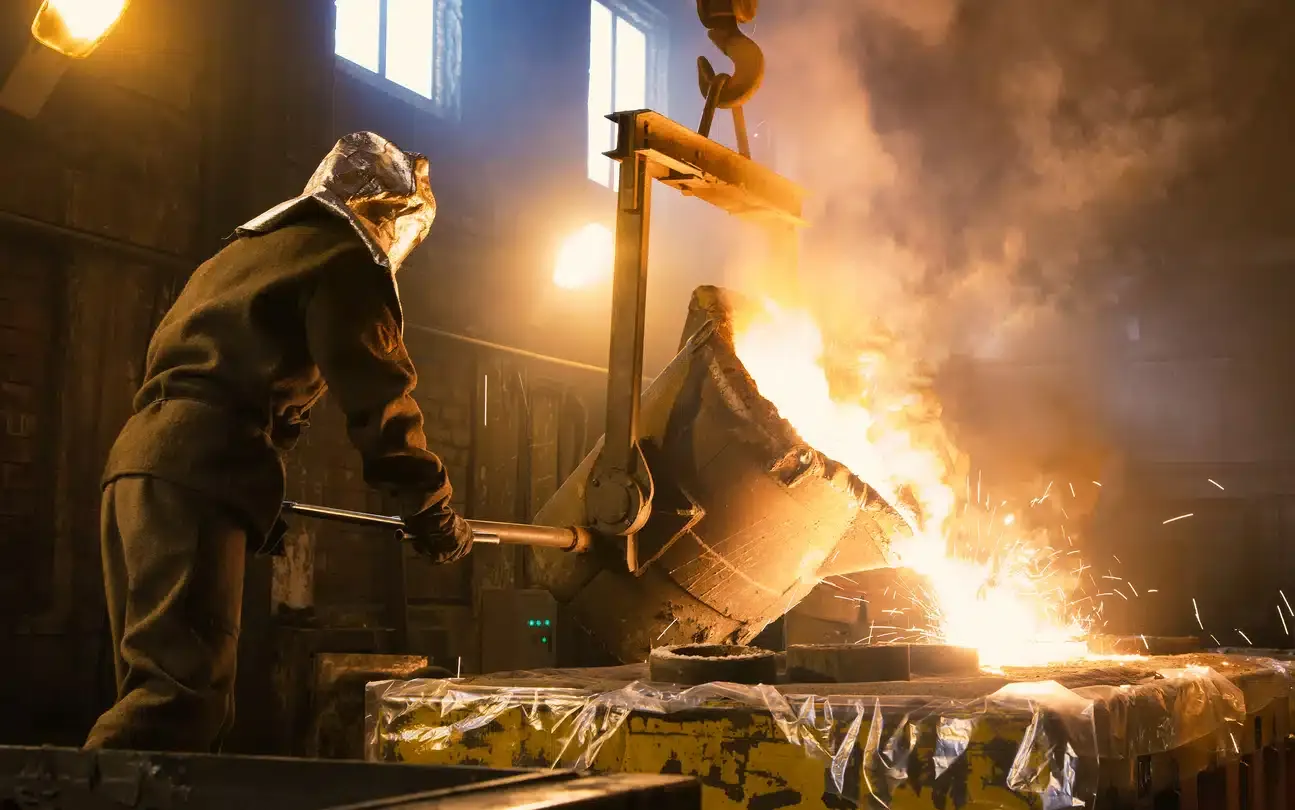
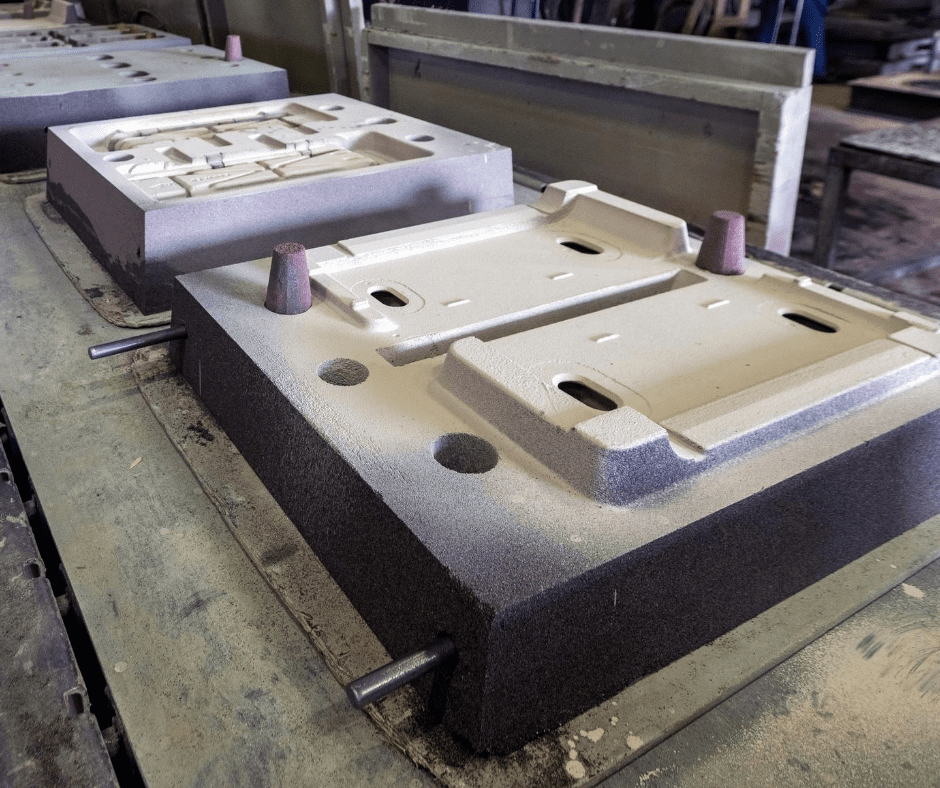
 Model Preparation: The first step is creating a model of the part to be cast. This model is typically made from metal or wood.Mold Making: The model is placed in a mixture of sand and binding agents. This mixture is compacted around the model to form the mold. Molds are often divided into two parts: the top (cope) and the bottom (drag).Mold Drying: The prepared molds are left to cure for a specific period, allowing the binder to set and increase the mold's durability.Metal Pouring: The prepared molds are filled with molten metal. The pouring process is carried out considering the molds' temperature to ensure optimal filling.Cooling and Solidification: The metal cools and solidifies inside the mold, forming the desired shape.Mold Removal: After the metal has solidified, the sand mold is broken away to extract the cast part.Cleaning and Finishing: The cast part is cleaned to remove any remaining sand and debris. Additional machining or assembly may be performed if needed.Quality Control: In the final stage, the casting undergoes dimensional checks and quality control processes to ensure it meets the required specifications and tolerances.
Sand casting offers an economical production method with low material and labor costs. Sand is an easily accessible material.
Sand molds can be prepared quickly, making this method ideal for urgent projects and large-scale production, saving time.
Sand casting is capable of successfully producing intricate part designs and details, providing engineering and design flexibility.
It is suitable for casting various metal alloys, such as aluminum, steel, and copper, catering to diverse application areas.
Sand molds can withstand high temperatures, making them ideal for processes requiring high-temperature casting.
Used sand molds can be recycled and reused, offering a significant advantage in terms of environmental sustainability.
Sand molds can be easily broken apart after casting, simplifying and speeding up the part removal process.
Sand casting is effective for producing both large and small parts, allowing for a wide range of product types.
Vizyon Investment Casting was founded in 2021 by its founding partners with over 20 years of experience in the sector. Our company, which sets quality production and customer satisfaction as its primary goal, offers high precision casting products for various sectors with its expert staff and modern production facilities.
© Copyright 2025 - Vizyon Investment Casting